
Inspiration Fridays! What does creative space look like?
What does creative space look like?
There’s a Japanese word, yutori, that translates roughly into “a life with room to breathe.” It’s built around the idea of leaving enough space in your day, and enough wiggle room around your tasks, that they can be accomplished with ease instead of urgency.
“Time you enjoy wasting was not wasted..” – John Lennon
It’s not about doing less. It’s about having a richer experience.
Painting holds this kind of space for us. It asks us to slow down and truly observe. Translating light, color, and form into marks on a canvas forces a reset. It’s an invitation to notice the subtleties we might otherwise miss. Great art is rarely about technical skill. It’s an exercise in presence.
Yutori lives with me in the studio. Deadlines and desire would happily take its place. But when I step out of the way and give my creativity the time it deserves, the paintings themselves begin to breathe. Layer upon layer of experimentation, or a break in my big green chair starring and squinting at the shapes on front of me, even the decision to walk away gives richness to the work.
This erratic pace can feel indulgent, even wasteful. But creativity needs room. It thrives in the spaces between. We are here to make something. Our tools are:
observation, reflection, and time.
.
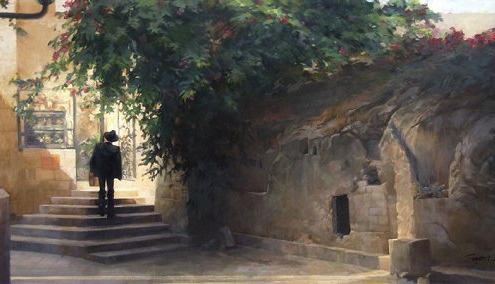
The Empty Tomb – Gabriel Mark Lipper
This week, schedule in a nap. Spend some time just looking. When it’s time to work, try building in a little more room for breath. Let the brush linger. Take some time mixing the perfect color. Let the painting sit unfinished. Create a space for the muses to play, follow them, and see where they lead.
What would it feel like to create with no sense of urgency?
How does space (literal or figurative) impact your art?
What does creative space look like?