Make It Yours (Even When It’s Theirs)

Commissions, in an ideal world, can be a magic act of collaboration, but they can just as easily slip into the category of “group project gone wrong”.

“Every good painter paints what he is.” – Jackson Pollock

There’s nothing more dangerous than the idea of trying to make “good” art, whatever that means. Especially when creating not just for a hypothetical audience, but a very specific and real person. A person who loves what you do and has chosen to commission you to do something for them.

That kind of admiration makes it easy to loose ourselves. The compliment comes with an impossible melding of the minds. Not only do we need to create, they need to love what we create.

But my job isn’t to disappear inside their expectations. It’s to bring myself to the work.

Make It Yours (Even When It's Theirs)

Gabriel Mark Lipper – Acrylic on Panel – 24″x49″

Instead of asking, “Is this good?”, or even worse, “Will they like it?, try asking… “Is this me?”

It’s easy enough to second guess ourselves without going the extra mile and trying to second guess someone else. Why did they come to you? The thing that makes your paintings exciting for them isn’t how universally appealing they are. No one can make this work but you. What if the part you’re trying to smooth out, in anticipation of their preference or taste, the part that feels too strange, too abrupt or even, too soft, is actually the best part?

Commissions have challenged me, paid my bills, and pushed my skills in directions I never could have expected. One thing that I’ve learned is that I don’t know, and it doesn’t help to try to guess. If I try to paint as someone else and succeed, I may end up with another commission posing as someone I’m not. I like to focus on what happens in combustible space where their hopes and imaginations intersect with what lights me up.

Do your best work. Make the thing only you could make. And let the rest take care of itself.


What’s one thing in your work that only you would do?

What have you second guessed that ended up being the best part?
 

Are you limited by invisible critics?

I’d love to say I don’t care what people think of my paintings. But I’m human. We all want our work to connect, to be understood.

“In terms of priority, inspiration comes first. You come next. The audience comes last.” – Rick Ruben

It’s counterintuitive, but the more personal our work gets, the more universal it becomes. Connection with our paintings doesn’t happen because we’ve shown our work off as correct or perfect. It happens when we allow the work to feel alive. Paintings live when the artist making them is fully present to the shifts and surprises in their work. Allowing the process to lead, following their instincts, and being open to the results. This is how we share of ourselves.

8paint Inspiration Friday Are you limited by invisible critics

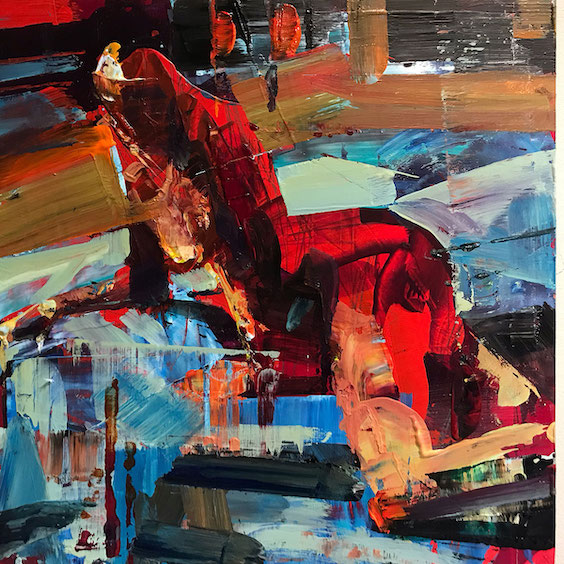
Figure 2 – Gabriel Mark Lipper – Acrylic on Panel  – 12″x12″

So how do I tap into my own vision instead of seeing my work through someone else’s eyes?

I start by having a stern internal dialogue with my imaginary panel of critics before they hijack the whole process.

Then I get quiet. I let curiosity take the lead. I chase what excites me instead of what makes sense. Sometimes that means painting a face and then smearing it out completely, just to see what happens. Sometimes it means layering colors I’m pretty sure don’t belong together. Sometimes it means pushing a painting past the point of comfort, past the point of “correct,” into something raw, something unknown.

So here’s to shutting down our imagined critics, quieting the noise, and painting what we want to see, and what we want to share.


What would you create if you weren’t worried about getting it right?

What feels most like “you” in your own work?

Are you limited by invisible critics?


Is your painting in the “ugly” stage?

There comes a time in every piece where it feels like a disaster. You stand there, looking at your canvas, and wonder how you got yourself into this mess. The colors are wrong, the shapes don’t make sense, and all your brushstrokes have conspired against you. The “ugly” stage.

“If you hear a voice within you say you cannot paint, then by all means paint and that voice will be silenced.” – Vincent van Gogh

The “ugly” stage is not an indication of failure. If your painting feels off, it’s probably because you’re pushing yourself outside of your comfort zone. Slogging through the messy middle creates powerful work. Be willing to take risks, make mistakes, and get uncomfortable.

8paint Inspiration Friday Is your painting in the ugly stage

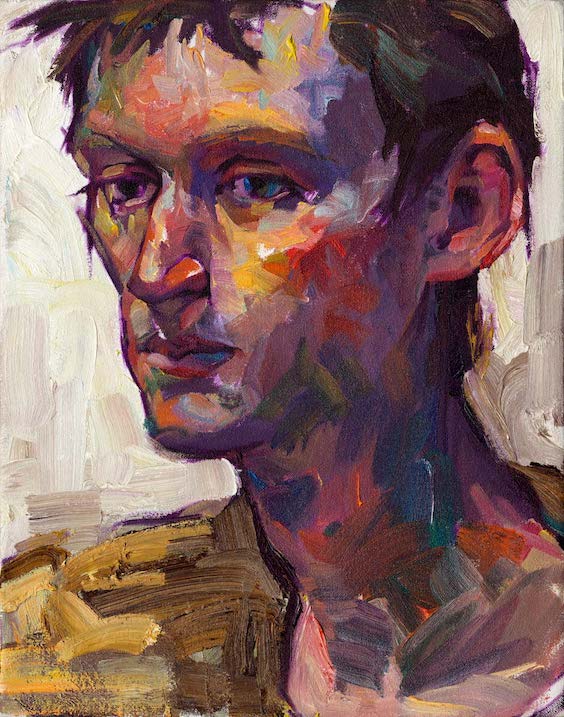
John J – Gabriel Mark Lipper – Oil on Panel  – 18″x14″

When a painting feels like it’s just not working, the natural instinct is often to walk away completely. That’s the temptation. But before you go back to your day-job, take a step back. Walk away for a bit, grab a coffee, let the painting rest. You’ll often come back with a new perspective. You may find that the “ugly” stage wasn’t nearly as bad as you thought. You might even have discovered something new.

Pull your paintings from the dumpster of doom. Bang! After a snack, something’s clicked. The lines start working, the colors come together, and it doesn’t need to look like your photo. You’re an artist!

Unsure? Don’t worry. Grab your brush.

Creativity thrives in the mess, in the struggle, in the discomfort. If we stop too soon, we miss our chance to evolve and grow.

Get back in there, and have a look.


When does your work feel “right” to you?

Are you willing to stay in it?

Can you push through perfection?